
How Dubai's Strict Sexual Norms Affect Mental Health
You’ve seen the glossy ads: luxury hotels, golden deserts, endless shopping. But behind the glitter, life in Dubai comes with invisible rules-especially around sex, relationships, and personal freedom. And for many who move here-expats, students, workers-those rules don’t just shape behavior. They shape minds.
What You Won’t See on Tourist Brochures
Dubai doesn’t have a "sex culture" in the way cities like Berlin or Amsterdam do. There’s no public nudity, no open dating scenes, no sex-positive festivals. Instead, you have a society built on conservative Islamic values, enforced by law. Public displays of affection? Illegal. Unmarried couples sharing a hotel room? Risky. Even holding hands can draw attention-sometimes the wrong kind.For locals, these rules are part of identity. For outsiders? They’re a constant calculation. You learn to hide your relationship status. You avoid kissing your partner goodbye at the airport. You delete dating apps before landing. You say "roommates" when asked who you live with.
That kind of daily performance? It wears you down.
The Hidden Toll on Mental Health
A 2023 study by the Dubai Health Authority found that 42% of expatriates reported increased anxiety over the past two years, with 68% citing "social restrictions" as a key factor. That’s not just stress. That’s chronic emotional strain.Think about it: you’re told to be yourself-but only if that self fits a narrow mold. You fall in love, but can’t celebrate it. You crave intimacy, but fear being reported. You feel lonely, but can’t talk about it without risking your job or visa.
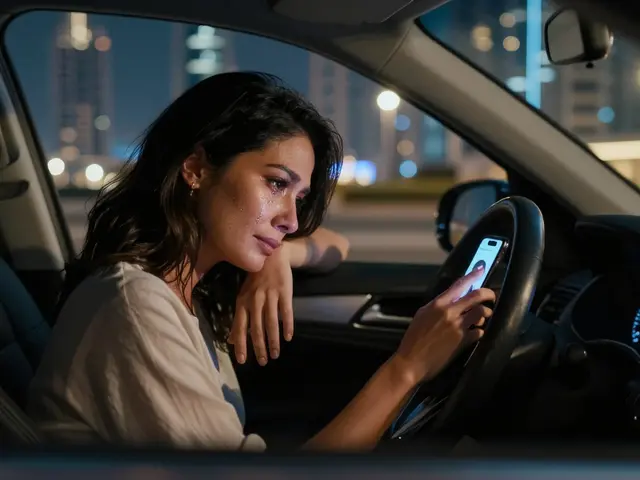
One woman, Sarah, moved from Canada to work in Dubai’s fintech sector. She told me (anonymously, of course): "I cried in my car every Sunday night. I missed my boyfriend back home, but I couldn’t even send him a photo of us holding hands. I started feeling like I was living a lie-and I didn’t know who I was anymore."
That’s not an outlier. Therapists in Dubai say they’re seeing more cases of depression, social withdrawal, and even PTSD-like symptoms among expats who’ve been here over three years. The body doesn’t know the difference between legal punishment and emotional punishment. Both trigger the same stress response.
What’s Allowed? What’s Not?
Let’s get specific. Here’s what actually happens in real life:- Married couples: Fine. You can hold hands, kiss in private, even share a hotel room with proof of marriage.
- Unmarried couples: Technically illegal to cohabit. Hotels may ask for marriage certificates. Many just look the other way-but if someone reports you? You could face fines, detention, or deportation.
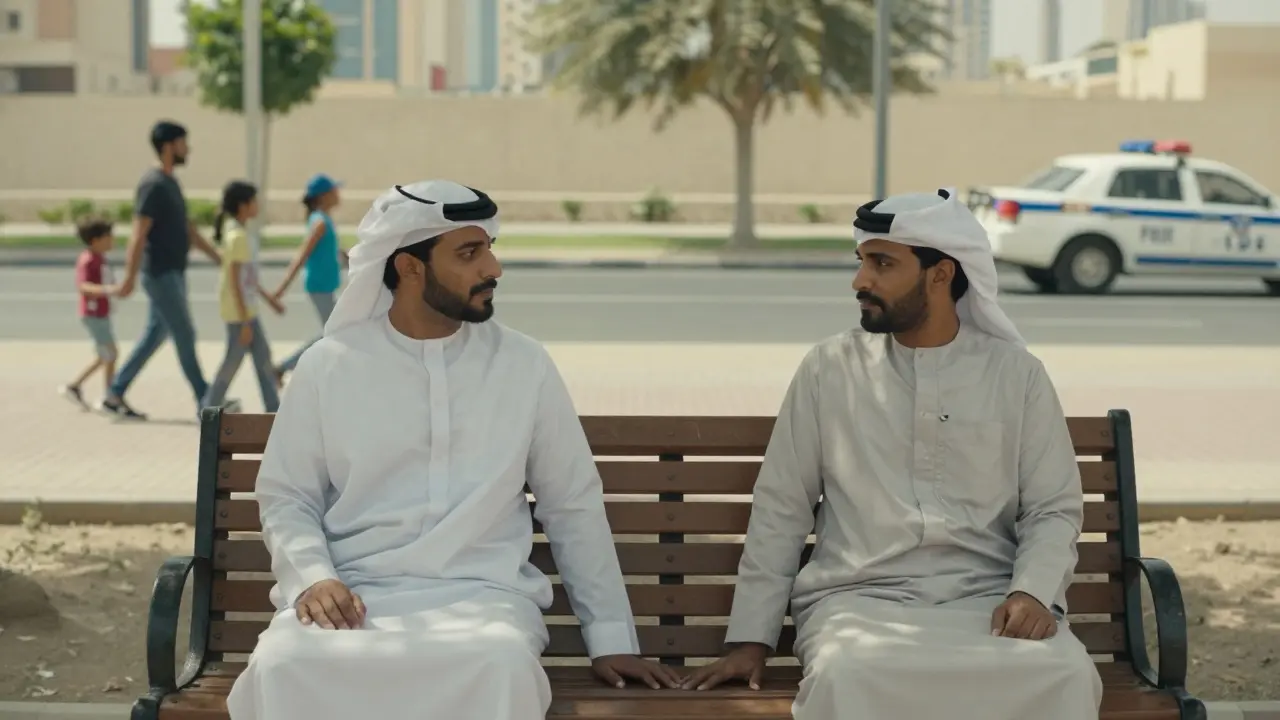
- Public affection: Kissing, hugging, even prolonged eye contact can be flagged as "indecent behavior." Police have issued warnings for couples sitting too close on park benches.
- Dating apps: Popular-but risky. Tindr and Bumble are used widely, but authorities monitor them. Several people have been arrested for arranging meetings under false pretenses.
- Sex work: Illegal. Anyone caught can face jail time. Even offering sexual favors in exchange for money or favors is a criminal offense.
There’s no gray area. The law doesn’t care if you’re "just being affectionate." It doesn’t care if you’re in love. It only cares if you’re breaking the rules.
How This Changes Relationships
Long-distance relationships become the norm-not by choice, but by necessity. Many couples in Dubai live apart because one partner can’t get a visa, or because cohabitation is too risky. Others stay together but never touch in public. The emotional distance grows faster than the physical one.Some people turn to transactional relationships-paying for companionship, or being paid for it. It’s not about sex. It’s about connection. A 2024 survey by the UAE Mental Health Network found that 29% of expats under 35 had paid for or received emotional support in exchange for money or gifts. Not because they wanted to. But because they felt they had no other way to feel seen.
And then there’s the silence. No one talks about this. Not at work. Not with friends. Not even with family back home. You’re told to "adapt" or "respect the culture." But no one tells you how to adapt when your own needs are criminalized.
Who’s Most Affected?
It’s not just foreigners. Locals face pressure too-but differently. Young Emiratis are expected to marry early, often through arranged matches. Dating is rare. Romantic love is often a private fantasy. Many report feeling trapped between tradition and modern desires.For LGBTQ+ individuals? The stakes are life-altering. Same-sex relationships are illegal. Coming out can mean losing your family, your job, your freedom. Many live in extreme isolation. Some leave. Others stay-and hide so deeply they forget who they are.
Women, whether local or expat, face extra scrutiny. Flirting, dressing "too revealing," or even being seen alone at night can lead to harassment or legal trouble. The burden of "protecting reputation" falls squarely on them.
Where to Get Help
If you’re struggling, you’re not alone-and help exists. Dubai has licensed therapists who specialize in expat mental health. Some clinics offer confidential sessions in English, Arabic, and other languages. You can find them through:- Psychology Today’s Dubai directory (searchable online)
- Emirates Mental Health Foundation (offers free group sessions for expats)
- Expat Support Groups on Facebook or Meetup (search "Dubai Mental Health Expat")
Some workplaces offer EAPs (Employee Assistance Programs). Ask HR. You don’t need to explain why you need help. Just say you want to talk.
What You Can Do Right Now
You don’t have to wait for society to change. Here’s what you can control:- Find your people. Connect with others who get it. Online communities are safer than you think.
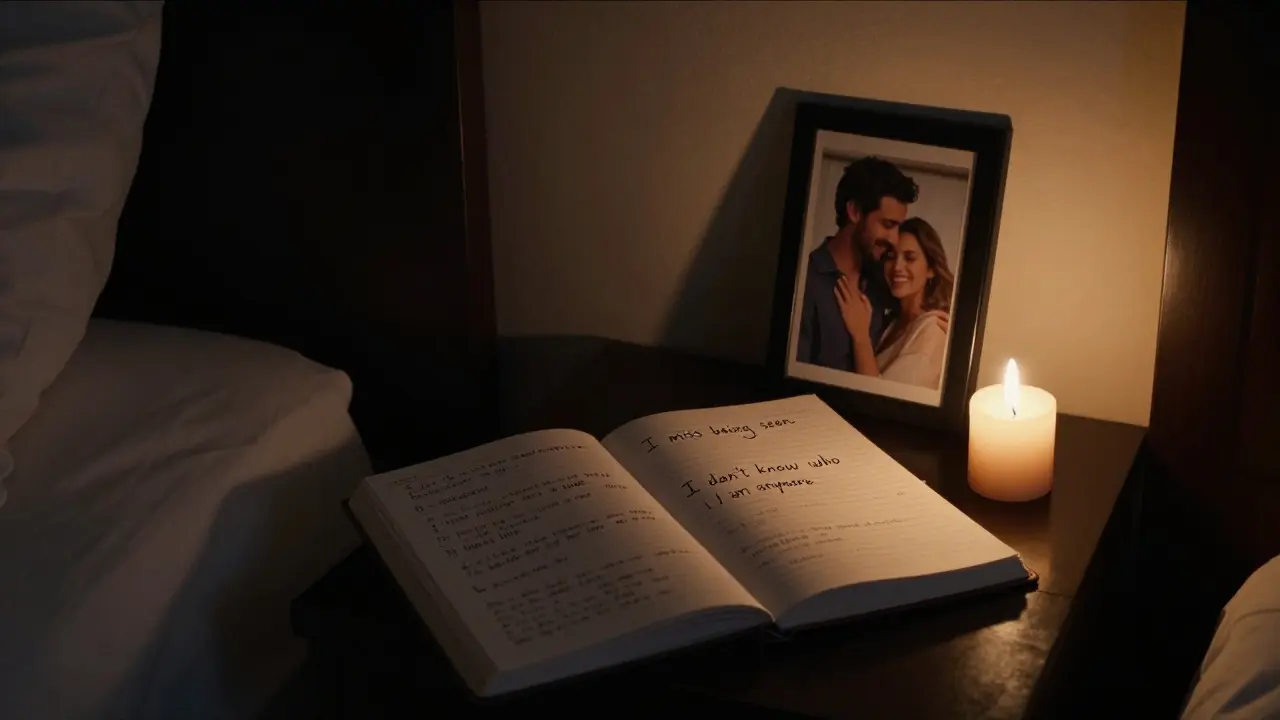
- Write it down. Journaling helps untangle the noise. You don’t need to share it. Just get it out.
- Set boundaries. You don’t have to pretend to be okay. Say "I’m not up for this conversation" and walk away.
- Seek professional support. Therapy isn’t a sign of weakness. It’s a survival tool.
- Remember: your worth isn’t defined by the law. You are allowed to feel. To love. To want more.
Comparison: Dubai vs. Other Gulf Cities
| City | Public Affection Allowed? | Co-habitation for Unmarried Couples | Therapy Access | Expats Reporting Anxiety |
|---|---|---|---|---|
| Dubai | Restricted | Technically illegal, often ignored | Good (many English-speaking therapists) | 42% |
| Riyadh | Strictly banned | Illegal, high enforcement | Limited | 58% |
| Abu Dhabi | Restricted | Illegal, occasional checks | Moderate | 37% |
| Qatar | Strictly banned | Illegal, frequent audits | Low | 51% |
Dubai isn’t the harshest-but it’s the most deceptive. It looks open. It feels open. But the rules are still there, quietly watching.
Frequently Asked Questions
Is it safe to date in Dubai as an expat?
Dating is common, but risky. Apps are used widely, but authorities monitor them. Avoid public displays of affection. Never assume privacy means safety. If you’re serious about someone, consider getting legally married-this removes most legal risks. But if you’re not ready for that, keep things low-key. Your safety matters more than your romance.
Can I get therapy for relationship issues in Dubai?
Yes. There are dozens of licensed therapists in Dubai who specialize in expat relationships, cultural adjustment, and sexual identity. Many offer online sessions if you’re uncomfortable going in person. Clinics like The Light House and The Psychology Practice are known for confidentiality and sensitivity. You don’t need a referral. Just book.
What happens if I’m caught with my partner in a hotel room?
It depends. Most hotels won’t report you unless someone complains or you’re involved in another incident. But if you’re reported, police can detain you. You may be asked for proof of marriage. Without it, you could face fines, deportation, or even jail time. It’s rare-but it happens. Always carry your marriage certificate if you’re married. If you’re not, consider staying in separate rooms. It’s not about fear. It’s about protection.
Why is there so much secrecy around sex in Dubai?
It’s not just religion. It’s about control. The government uses social norms to maintain order and cultural identity. Open sexuality is seen as a threat to traditional values-and by extension, to social stability. This isn’t unique to Dubai. Many conservative societies regulate private behavior to manage public perception. But the cost? Emotional isolation, shame, and mental health decline.
Are there any safe spaces for LGBTQ+ people in Dubai?
There are no legal LGBTQ+ spaces. Public gatherings, pride events, or even online advocacy can lead to arrest. But underground networks exist-private gatherings, encrypted apps, expat circles. They’re not safe, but they’re real. Many LGBTQ+ expats connect through international organizations or work with NGOs based outside the UAE. If you’re in danger, contact your embassy. Your safety comes first.
Final Thought: You’re Not Broken
Dubai doesn’t need you to change who you are. It just needs you to hide it. And that’s not a lifestyle. That’s a slow erosion of self.You’re allowed to want connection. To feel love. To be seen. Even here. Even now. The law can control your actions-but it can’t control your heart. If you’re struggling, reach out. Talk to someone. Write it down. Find your people. You’re not alone. And you’re not wrong for wanting more.